
Case Studies
Our Solution
Clean Water for All envisions a future where every Australian, regardless of location, has access to water.
We deliver intelligent water infrastructure to remote and Indigenous communities, ensuring safe, reliable drinking water for every Australian.
Our proven, community-led model uses smart design, predictive planning, and real-time monitoring to build sustainable, locally maintained systems that respect culture and Country.
With over 1,000 communities, impacting 250,000 Australians, still lacking access to safe water, our solution creates jobs, empower communities, builds local capacity, and supports national goals for water equity and Indigenous self-determination.
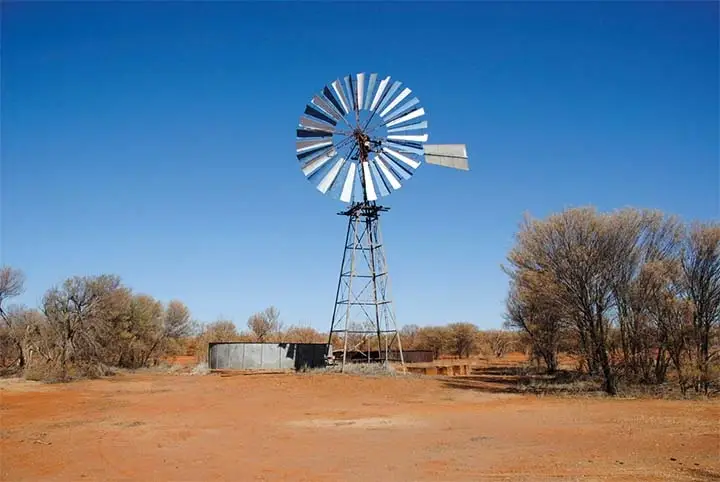
Water Infrastructure Sustainability
The director of Clean Water For All contributed to a systematic review of water infrastructure challenges and sustainable solutions in 2023. This review provided a comprehensive understanding of the factors contributing to the failure of water infrastructure (technical, financial, social, environmental, political etc) and proposed a ‘Sustainability Framework for Water Infrastructure’ designed to guide water infrastructure development. The framework recommends:
Inclusive Project Planning: Engage local communities in the planning stages to ensure that projects meet their actual needs. Strategies should consider the local technical, financial, environmental, social and political factors contributing to infrastructure failure.
Appropriate Construction Techniques: Utilise construction methods and materials suitable for the local environment and context to enhance the durability and functionality of water infrastructure.
Efficient Monitoring and Management: Implement robust post construction monitoring mechanisms to ensure the long term sustainability and effectiveness. This includes predictive modelling and systems that detect and respond to failures.
The study emphasized the urgent need for a structured and comprehensive approach to address these challenges of water infrastructure sustainability. Clean Water For All’s solutions aligns with the framework’s recommendations by engaging communities in the planning phase, and implementing smart water management systems for long term durability.

Community Collaboration Model
Our replicable, data driven and community owned model can be scaled across Indigenous and remote Australian communities facing water access challenges.
The blended funding approach highlights the value to community of shared investment, with funding coming from Government, philanthropists, micro payments and the community itself.
Stage 1 – Feasibility & Pre-Construction
Water research conducted in 1,700 communities across 3 states. Research found 50% of boreholes had never functioned and others had failed due to lack of maintenance.
Water needs mapped publicly for efficient collaboration and transparency.
Stage 2 – Construction & Training
Community owned water source designed and constructed to suit local needs. For example, one solution was a 100m borehole, 20,000L per day capacity, solar powered pump and treatment plant, and smart meter monitoring system.
Local operator trained in management and maintenance of the water infrastructure.
Stage 3 – Post-Construction & Reliability
Our software tracks water flow, sales, donations, expenses, and reliability.
Predictive modelling anticipates infrastructure maintenance, triggering a community management response which results in operational reliability of almost 100%, providing sustainable water access.

Closing the Water Gap
In 2022, the Central Land Council and Water Services Association of Australia demonstrated how poor access to safe water in many remote Indigenous communities is a major barrier to health, wellbeing, and Closing the Gap targets.
They concluded that without dedicated infrastructure investment, culturally appropriate planning, and genuine Indigenous partnership, these gaps will persist. This strongly advocates for solutions like Clean Water For All which empowers local communities to ensure sustainable and resilient water systems, aligned with Indigenous self-determination and water stewardship.
Case Study: Community-led water infrastructure in the Northern Territory
Location: Alpurrurulam, a remote Indigenous community in the Northern Territory
Population: Approximately 350 residents
Design: Community designed solar powered water treatment system, UV disinfection unit, water quality sensors, and visual maintenance guides in the local language. This solution replaced a failing borehole that exposed residents to waterborne illnesses.
Longevity: The system is maintained by a trained local water ranger and supported by Indigenous health services.
Impact: Since installation, gastrointestinal illness has dropped significantly, confidence in drinking water has increased, and the community has a greater role in managing and monitoring their own water supply.

Wilcannia, NSW Australia
Clean Water for All envisions a future where every Australian, regardless of location, has access to safe and reliable drinking water.
Our solution empowers local populations, creates employment opportunities, and contributes to national goals for water equity and Indigenous self-determination.
Hypothetical Pilot: Community managed smart water bore and kiosk
Location: The Indigenous and water stressed community of Wilcannia, NSW.
Population: 750 people
Design: Solar powered 50m bore, compact water treatment unit, and IoT enabled monitoring system.
Longevity: The kiosk is managed by a trained local operator providing a clean and consistent water source for the local community, delivering real and lasting water security.
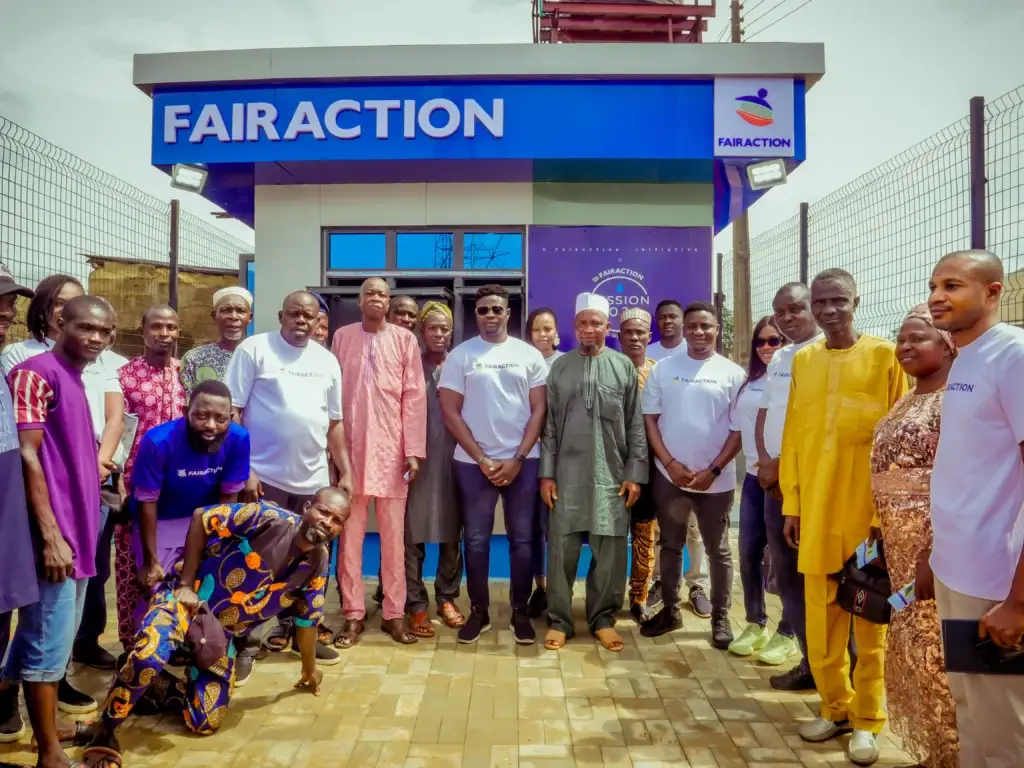
Oyo State, Nigeria
Clean Water For All, through our partner, Fairaction, has successfully implemented solutions that empower communities to take charge of their own water destiny. This enables them to gain access to safe, sustainable water in ways that are locally led and culturally appropriate.
Case Study: Community managed smart water kiosk
Location: Oyo State, Nigeria
Population: 500 people
Partner: Australian High Commission
Design: Solar powered borehole, water treatment plant, and IoT enabled monitoring system.
Longevity: Affordable water sales from the kiosk fund ongoing maintenance and stewardship of the water access solution.
Reliability: 98% operational over 1090 days (only 20 days of down time in 3 years)
Impact: Almost 1.5 million litres of clean water since 2021